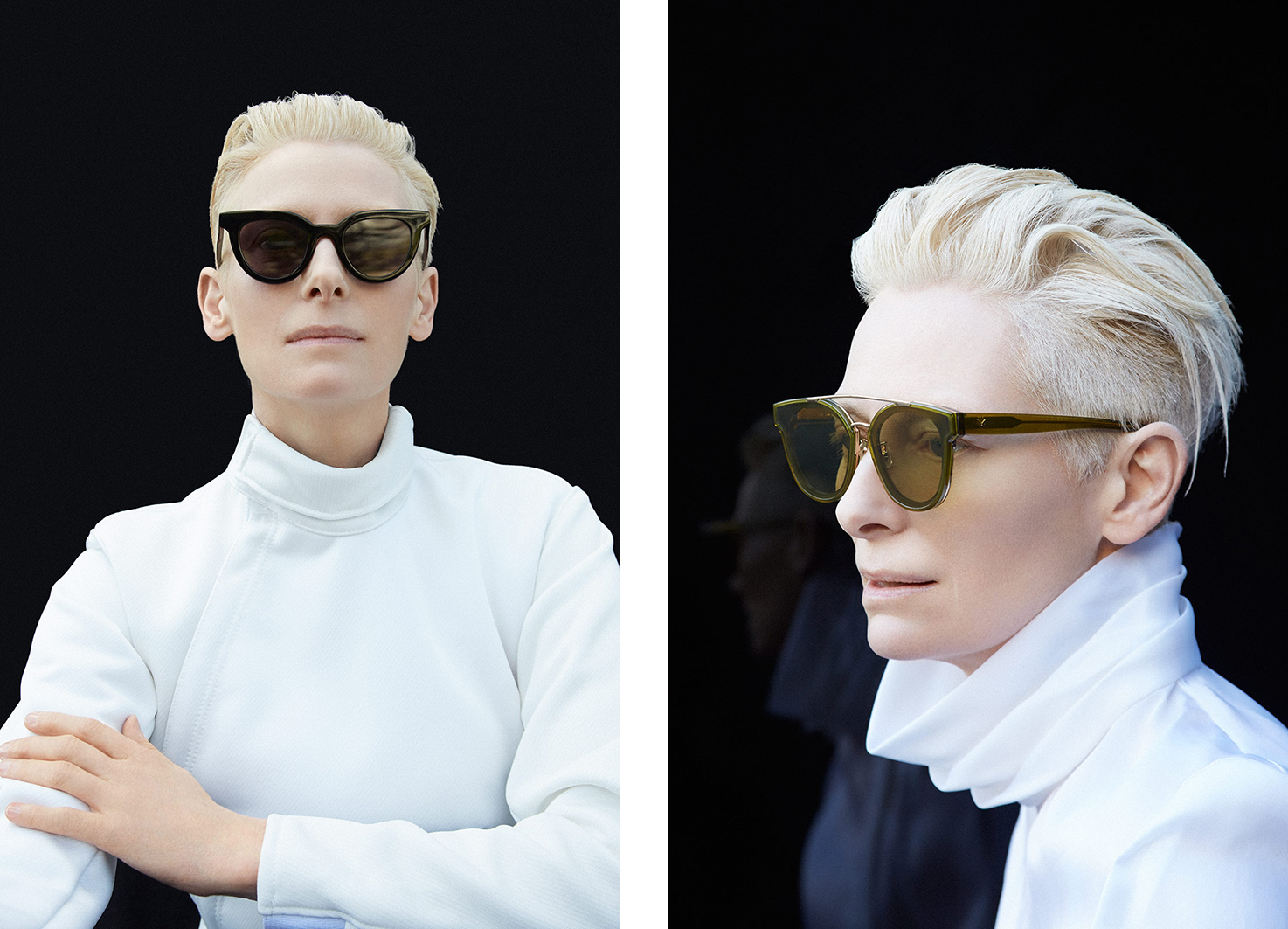
The film begins in the dying winter of Elizabethan England, with a young nobleman promised land, title, and eternal youth by the sovereign herself. From that strange bargain unspools a life that refuses to end, and refuses even more stubbornly to remain the same. Tilda Swinton inhabits Orlando with a quiet, sly intelligence, slipping from century to century, from man to woman, from self to self. History reshapes around this impossible figure as monarchs die, empires crack, and fashions stiffen or soften, but Orlando remains, and yet never remains quite as before. That is the marvel and the heartbreak: permanence without fixity.
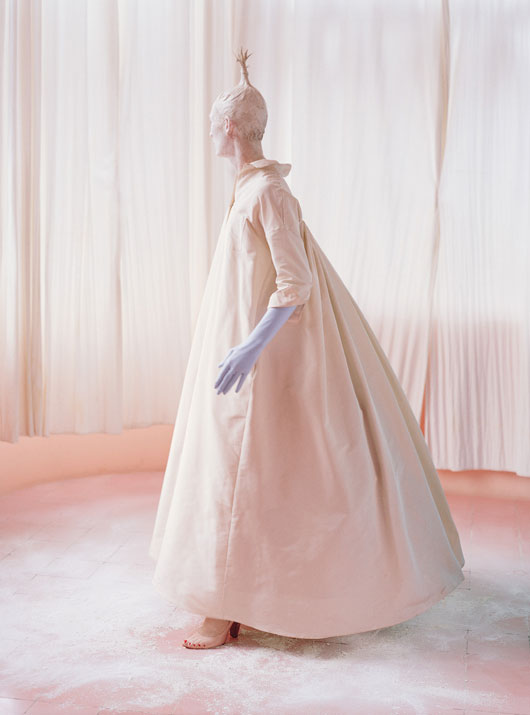
It is no accident that the story is told partly through fabric. Sandy Powell’s costumes, sumptuous, precise, sometimes deliriously witty, do more than clothe Orlando: they dramatise transformation itself. A ruff, a corset, a feathered hat, a velvet coat, each marks a moment of self-invention, and each sheds as easily as a skin. In Orlando, fashion becomes an extension of philosophy: proof that identity, too, can be tailored, donned, discarded, or worn with subversive grace.